by Raúl | Jul 22, 2026 | A2 Basic English
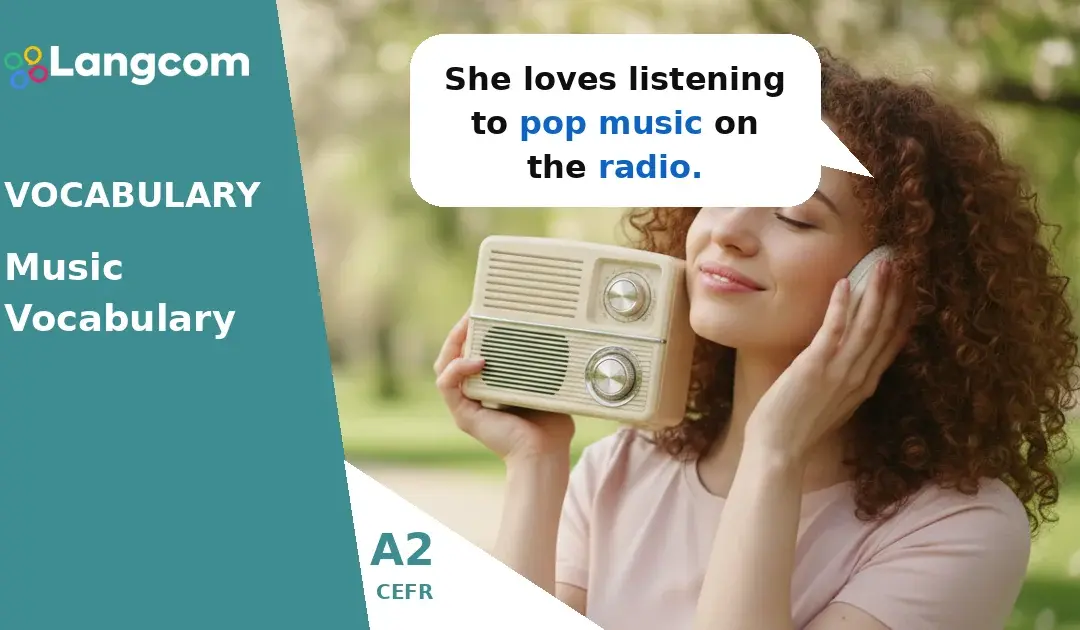
Learning music vocabulary helps you talk about your favorite songs and artists in English. This lesson teaches you words for different kinds of music, such as pop, rock, and jazz. You will also learn words for people who make music or dance, like a singer, a musician,...
by Raúl | Jul 22, 2026 | A2 Basic English
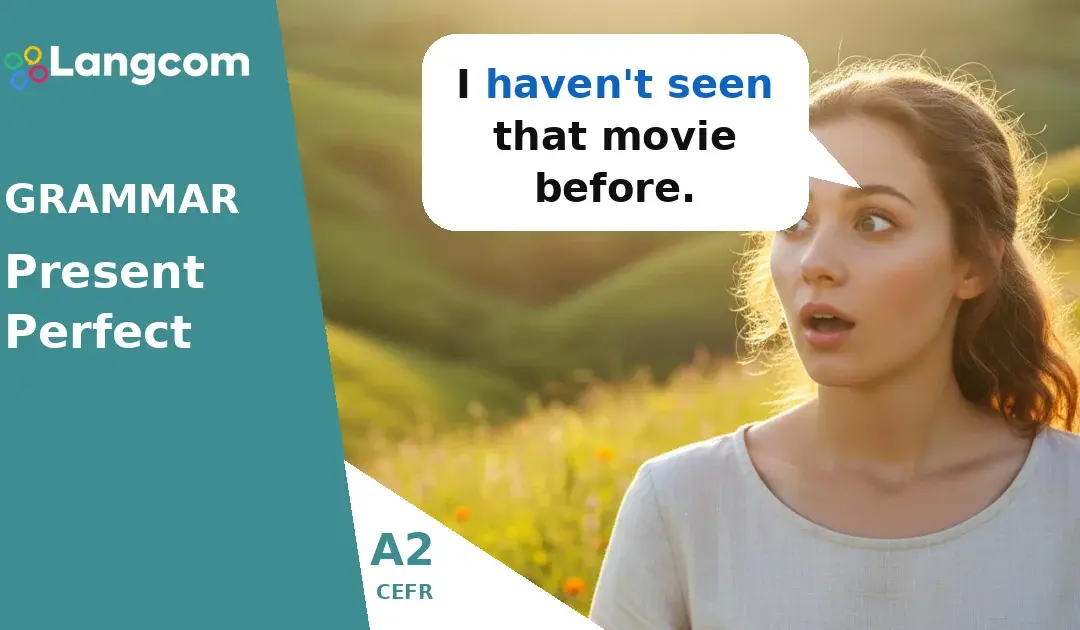
To make negative sentences and questions in the Present Perfect, you always use the auxiliary verb have or has with the past participle of the main verb. For negatives, place not after have/has, like in I haven’t finished my homework. For questions, put Have/Has...
by Raúl | Jul 22, 2026 | A2 Basic English
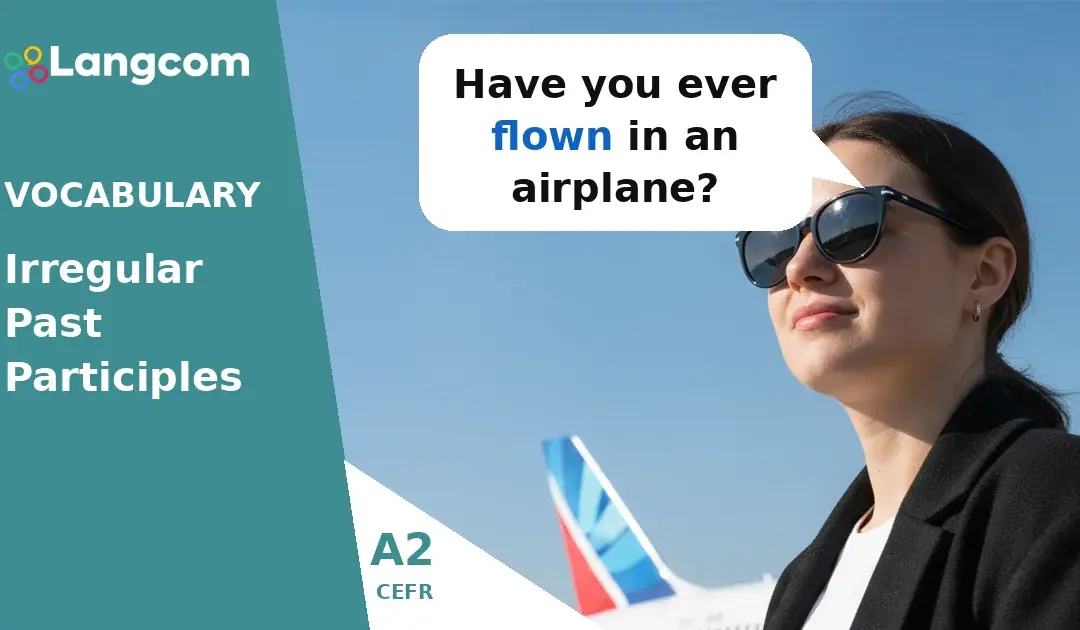
Irregular past participles are special forms of verbs that do not follow the normal rule of adding -ed to the base form. These verbs are essential for forming several important grammatical structures in English, such as the Present Perfect tense (e.g., I have eaten),...
by Raúl | Jul 22, 2026 | A2 Basic English
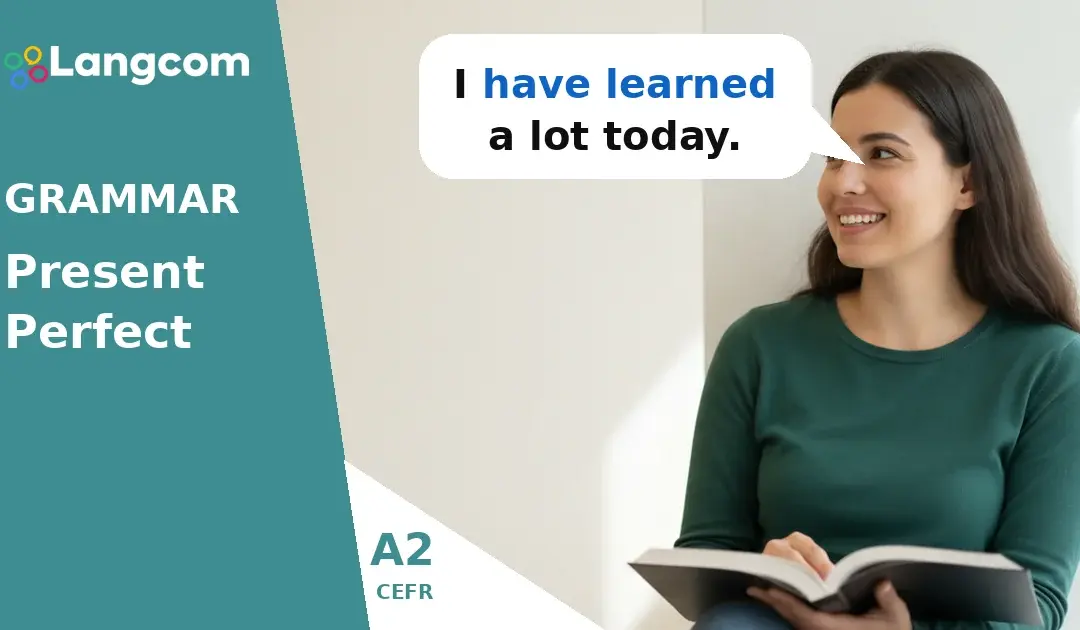
The Present Perfect positive tense helps you talk about actions that started in the past and are connected to the present moment, or experiences you have had. We use it when the exact time of the action is not important or not known. Think of it as a bridge between...
by Raúl | Jul 22, 2026 | Pre A1 Beginner English for Kids
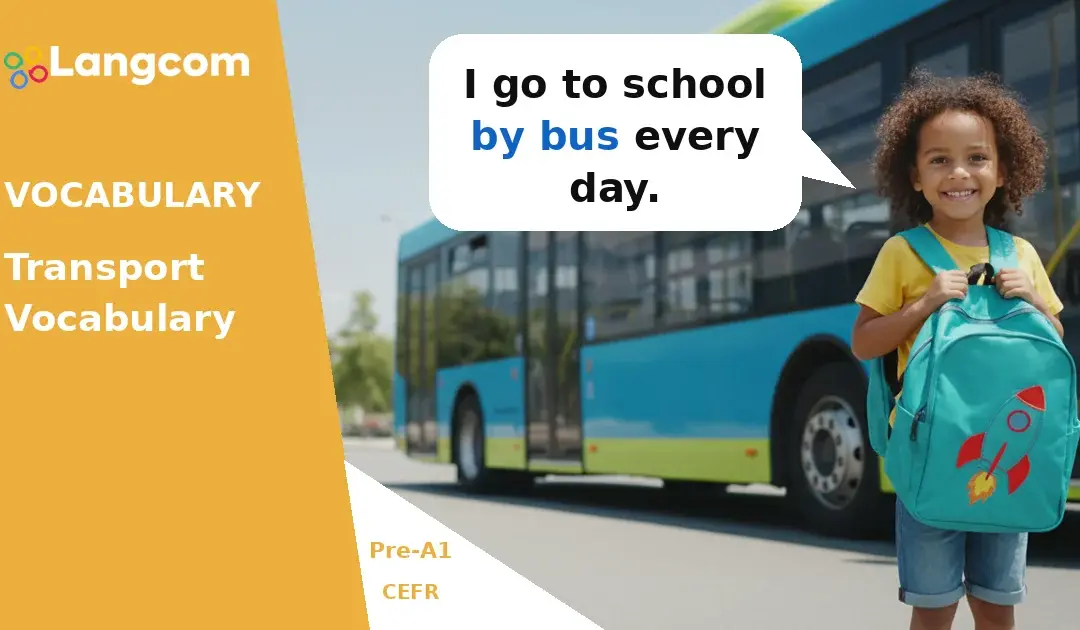
Learning basic transport words helps you talk about how you travel every day. These words are important for simple conversations and understanding directions. You will learn common ways people move from one place to another. This includes vehicles on land, in the air,...

by Raúl | Jul 22, 2026 | Pre A1 Beginner English for Kids
The Present Simple affirmative is for talking about things you do every day, habits, or facts that are always true. It helps you describe your daily routine, what you usually do, and general truths about the world. For most subjects like I, You, We, and They, you use...
